
Children's Counsellor in Coventry
Counselling for children and young people in North Coventry
Counselling for children and young people in North Coventry
Does your child or teenager need support with their mental health?
Is your child or teenager experiencing any of the following?
- Feeling anxious, worried or overwhelmed
- Struggling with low mood or confidence
- Finding it difficult to manage emotions
- Experiencing friendship or relationship difficulties
- Finding school stressful or challenging
- Coping with family separation, loss or change
- Feeling isolated, misunderstood or under pressure
- Struggling to express thoughts and feelings verbally
- Experiencing behavioural or emotional difficulties
Experience and Approach
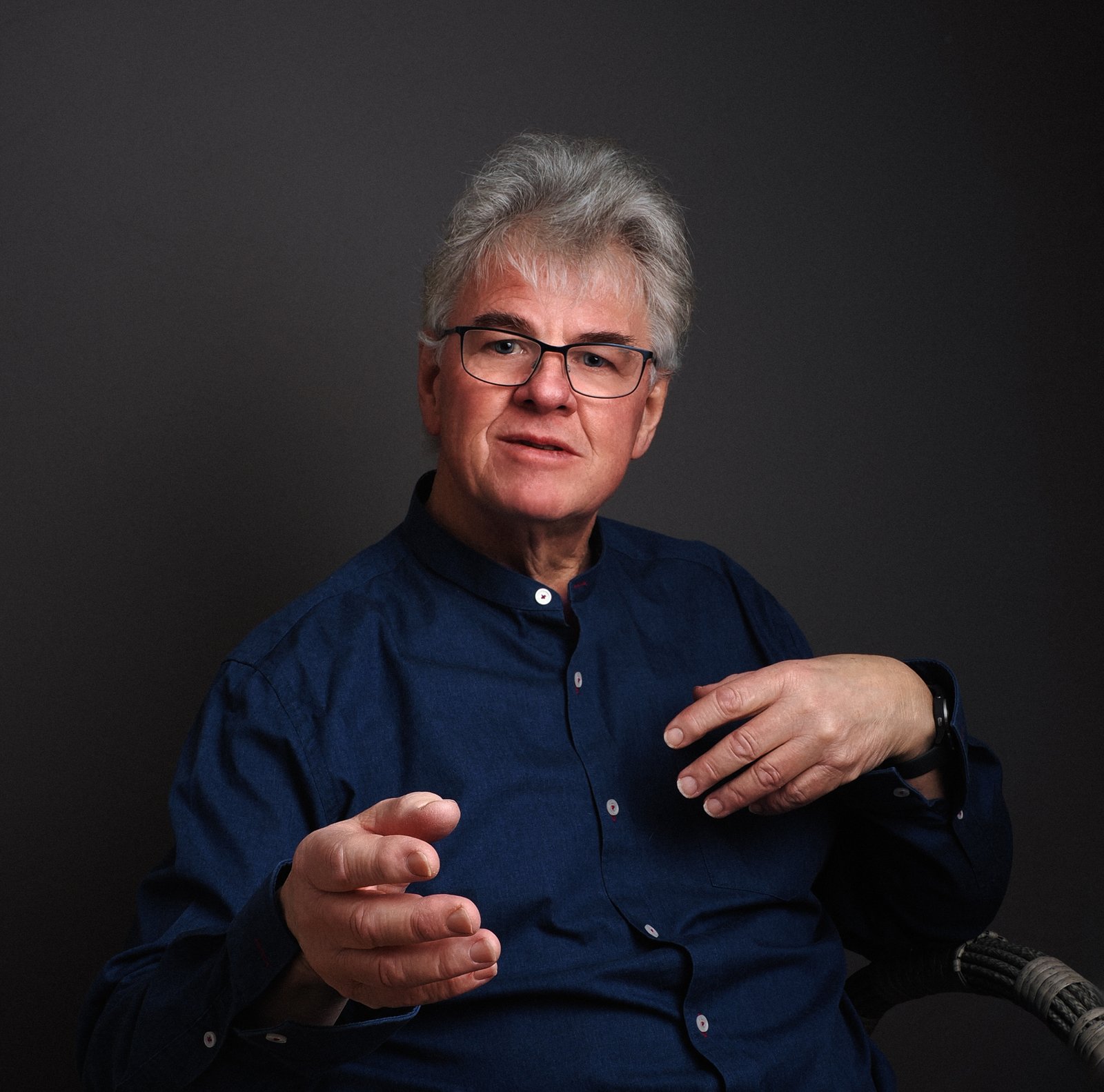
Martyn Blair qualified as a counsellor in 2008, additionnal level 5 diploma in Childrens and young people 2026 and has worked therapeutically in primary schools for 10 years.
I aim to provide a consistent, supportive relationship where children and adolescents can feel safe enough to explore difficult feelings, develop emotional resilience and feel less alone in what they are experiencing.

Our bodies give us an indication of the connection with our feelings. Drawing it out on a blank body is just one of the exercises that may take place
Get in touch
Call me for an informal chat, please leave a message and I will get back to you
You can also message me on WhatsApp using the button below.
How can counselling help?
- Develop confidence and self-esteem
- Better understand emotions and reactions
- Build resilience and coping strategies
- Improve communication and relationships
- Feel more secure and emotionally supported
- Develop greater self-awareness and self-acceptance
If you are considering counselling for your child or teenager and would like to discuss whether support may be helpful, you are welcome to get in touch with Martyn Blair for an initial conversation
Where is Martyn Blair based?
Martyn Blair sees clients from Coventry, Nuneaton, Atherstone and surrounding areas, face to face at his base in North Coventry.
Clients can be seen online nationally.
Is counselling different for children and adolescents?
There are some important differences when working with children and young people, including developmental stage, an ability to work creatively and legal requirements.
Martyn Blair completed an additional Level 5 Diploma in Children and Young People’s Counselling at New Pathway Counselling College.
My training and practice are informed by the BACP competence framework for working with children and young people, alongside ongoing professional development, supervision and safeguarding requirements.
For detailed information have a look at the BACP competence framework for counselling children and young people
What happens in counselling sessions?
Depending on what feels most helpful, sessions may include:
- Talking therapy
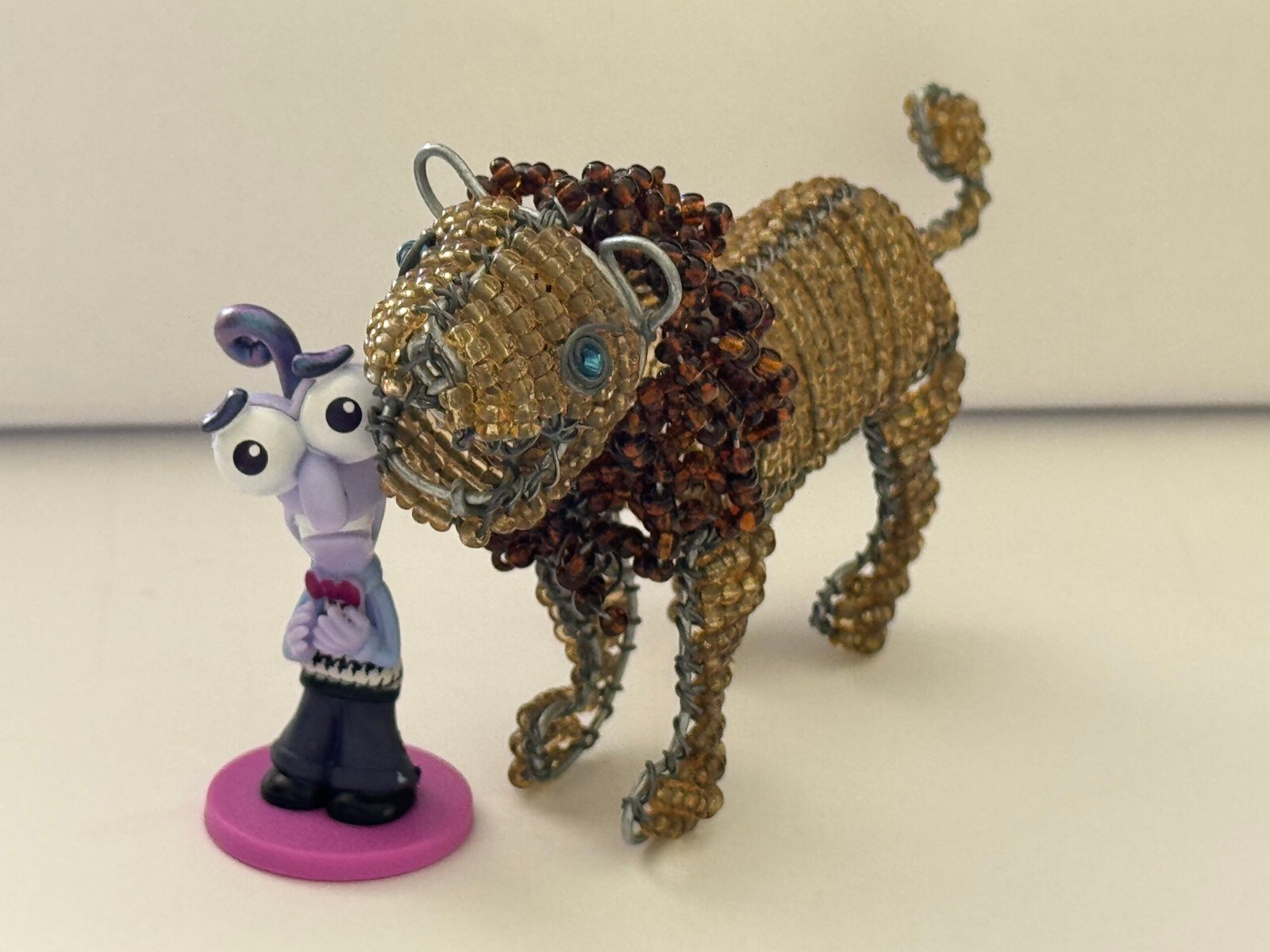
- Sand tray work and miniatures
- Picture and emotion cards
- Storytelling
- Creative play and games
- Drawing and creative materials
Creative approaches can give children and young people different ways to explore and express feelings that may be difficult to put into words.
Oh and I hope we also find time to have fun!

Will you work with Parents and Carers?
I think it is important to work sensitively with both young people and their families. Where appropriate, I work collaboratively with parents and carers to help them understand the counselling process, while keeping the child's wellbeing at the centre of the work.
I may have a meeting with parents or carers before, during or at the end of the counselling work. Their knowledge of the young person and their history can be really helpful in understanding what they may be experiencing.
Choosing a counsellor for your child is an important decision.
You may want to ask about my qualifications, experience, safeguarding arrangements, professional boundaries, confidentiality and how I work with parents and carers.
I am happy to answer these questions before you make any decision about counselling.
Would my child be safe in counselling?
It is a great question and I imagine it may be hard to ask
If you have questions about how I work with children or about safeguarding, I am very happy to discuss these before you decide whether counselling is right for your child.
It is completely understandable to want to know how your child will be kept safe before choosing a counsellor. Safeguarding is not something that sits separately from counselling — it is part of responsible therapeutic practice.
I take the safety and wellbeing of children and young people seriously. My work is guided by professional ethical standards, safeguarding procedures and the BACP competencies for working therapeutically with children and young people.
How I keep children safe
Clear professional boundaries
I maintain clear and appropriate boundaries throughout counselling. Sessions are structured around the child’s wellbeing, with professional boundaries applying to communication, physical contact, confidentiality and contact outside sessions.
Safeguarding procedures
I have safeguarding procedures in place for working with children and young people. These sit alongside my professional and ethical responsibilities.If I become concerned that a child may be at risk of significant harm, I cannot promise to keep this information confidential. I would normally discuss concerns with the young person and appropriate adults wherever it is safe and appropriate to do so.
Supervision and accountability
My work with children and young people is undertaken within professional supervision. Supervision provides an additional layer of accountability and allows me to reflect carefully on the therapeutic relationship, safeguarding, boundaries and any concerns arising from the work.
A safe and transparent environment
Parents and carers are given clear information about how counselling works before therapy begins. We discuss confidentiality, safeguarding, consent and the roles of the child, parent/carer and counsellor so that everyone understands what to expect.
The child's voice matters
Children and young people need to feel that counselling is a safe place where they can talk honestly. Their privacy and developing independence are respected, while also recognising that safeguarding responsibilities sometimes require information to be shared.
I also consider a young person's ability to understand and consent to counselling, including Gillick competence where relevant. This is considered alongside their age, understanding, wellbeing and the circumstances of the work.
My aim is to create a professional environment where a young person can feel comfortable, respected and listened to, while parents and carers can have confidence that appropriate professional boundaries and safeguarding arrangements are in place.
What if my child doesn't speak
Actually, they don't have to talk. There's no expectation for them to produce something, explain anything or talk before they're ready.
However, whilst accepting this, my role is to find ways for the child or young person to communicate in whatever way feels most natural to them.
A young person may find that creative media and play offer a more natural way to communicate; we can explore this together to see if it is helpful.
The meaning comes from the child’s own experience of the story they create. A child can talk about the character, drawing, story or miniature world rather than directly about themselves. This can make difficult experiences feel less exposing.
I don't assume that a picture or sand tray contains a hidden psychological code that I need to interpret. For example, a child putting a figure in a particular place doesn't necessarily mean abandonment, anger or trauma. The meaning belongs to the child and can emerge through their own exploration.
The relationship with me, the therapist, is crucial in allowing the child to experience being listened to, accepted and taken seriously.
The sand tray work shown in the photograph is a good example. No words are required; the young person can communicate their story through the miniature world they create.
Taking the first step
Reaching out can feel difficult—but it doesn’t have to be a big commitment.
I offer a free, informal conversation so you can ask questions and get a sense of whether counselling feels right for your child.
You don’t have to figure everything out before getting in touch.
If this feels like something you’re ready for, you’re welcome to reach out.
Counselling Fees
50-minute session £55.00
Supervision Fees
60 minute session – £55.00
90 minute session – £82.50


Trauma informed training with Counselling Tutor Training